
Swim techniques to race fast and remain injury-free.

Swimming has a relatively low risk of sport related injury, yet, swimmers often complain of shoulder pain. This can be caused by muscle overuse and incorrect technique. By making stroke adjustments, you can not only minimize pain and prevent injury, but also improve performance.

The Physiotherapy Association of British Columbia (PABC) recently outlined some simple steps, call the Physio-4, that swimmers can use to reduce their chances for injury, prevent pain, and swim more effectively.

The Physio-4 for swimming:

Be mindful of body rotation. Never swim with a “flat body” as this limits the rotation of the shoulder along the axis of the spine. Develop a symmetrical way to rotate your body for an efficient breathing pattern and this will greatly reduce the risk of shoulder injuries.

Enter the water with a flat hand. A hand directed outwards when entering the water leads to unhealthy internal rotation.  This is one of the most common causes of acute pain in the shoulder as it overuses the muscles.  It is best to enter the water with a flat hand, fingertips first.

Maintain good posture. The saying “shoulders back, chest forward” applies both in and out of the water. Hunched or rounded shoulders can lead to a wide arm recovery that causes shoulder injuries and “cross-overs” in your stroke. Strengthening the muscles at the back of the shoulder and stretching those at the front will help prevent injury, and help you to swim faster.

Incorporate bilateral breathing into your swim workout. Breathing only on one side will develop the muscles on that side more than the other.  This can eventually lead to shoulder problems.  By breathing on both sides with every workout you can prevent this from happening.

Aside from these injury-prevention techniques, there are important things to remember when swimming outdoors. Never dive head first into water unless the depth is known. When swimming in lakes or oceans be aware of any natural hazards such as tides and rapids, never swim alone, and always let someone know where you are training. And always be mindful of boaters – because they may not always be looking for you.

If you are injured or in pain during or after swimming, or require an exercise program to help avoid or overcome shoulder injury, Sun City Physiotherapy can help. Call 250-861-8056 to book your appointment today.
Hip Disorders: Osteoarthritis & Bursitis

Hip Disorders: Osteoarthritis & Bursitis

Hip Disorders: Osteoarthritis & Bursitis

Our hip joints allow us to do an amazing number of things – walk on two legs, pivot, squat, even kick a ball. It is an engineering marvel to combine the stability required to balance the weight of the torso over a structure the size of a golf ball, with the substantial degree of mobility available. The high demands on the hip joints can, however, take their toll over a lifetime.

Osteoarthritis is the most common hip disorder affecting adults. Primary osteoarthritis (OA) has no recognizable cause, while secondary OA is thought to occur due to altered joint mechanics or following joint trauma. Obesity, excessive loading due to occupational or sport demands can contribute to breakdown of articular cartilage. There is likely a genetic component as well. Muscle imbalances around the hip are also predisposing factors, as shearing forces or high compression load will cause abnormal wear and tear. Alignment issues of the low back, pelvis and leg can also contribute to abnormal forces around the joint.

Muscle imbalances occur as a result of weak, tight, or inappropriately recruited muscles. Our neuro-muscular system can develop certain abnormal pathways of firing, creating suboptimal movement, and potential damage to joint structures. If these are retrained before the cartilage damage is severe, it can halt the progression and reduce the symptoms of arthritis.

One of the most important groups of muscles for maintaining optimal compression and centering the ball, (or head) of the femur in its socket are the Gluteal muscles on the lateral side of the hip. Core strength and balance are also very important components of optimal hip health.

A second common diagnosis of hip pain is trochanteric bursitis. The most prominent lateral point on the hip bone is called the greater trochanter. It was commonly thought that the bursa overlying this point was the most common local cause of lateral hip pain. However, in a recent study, using real-time ultrasound, 80% of patients with lateral hip pain did NOT have bursitis. 50% of the 877 patients studied had tendinosus of their gluteal muscles, ie. a degeneration of the deep hip rotators tendon’s collagen in response to overuse, occuring when other stabilizer muscles weaken. It is part of what has been labeled Greater Trochanteric Pain Syndrome (GTPS).

Symptoms of both OA and GTPS can be similar. Pain from OA is usually felt in one or more of the following areas: the groin (most common), over the greater trochanter, or down the front of the thigh and knee. Usually, arthritis pain is reported with or after activity, progressing to pain at night or at rest.

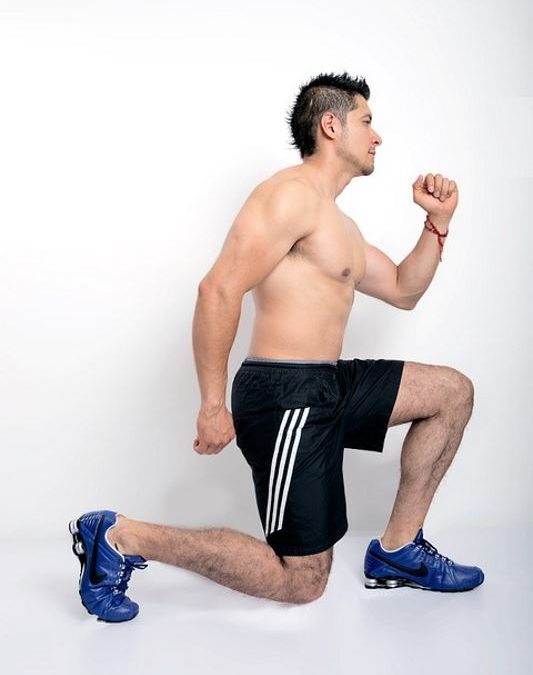
With GTPS, point tenderness is noted at or behind the greater trochanter, typically worse at night, especially when lying on the affected side. Lateral hip pain with repeated stair climbing and squatting is more likely due to GTPS.

Maintaining adequate strength and flexibility of the hip muscles is an important component of treatment and prevention of both hip osteoarthritis and trochanteric pain syndrome. Physiotherapists are trained to assess these disorders. They can prescribe individual exercise where deficits in strength, mobility and balance are noted.

Sun City Physiotherapy Locations

Downtown

1468 St. Paul Street, Kelowna, BC
Phone: 250-861-8056
reception_dt@suncityphysiotherapy.com
more info

Glenmore

103-437 Glenmore Road, Kelowna, BC
Phone: 250-762-6313
reception_gm@suncityphysiotherapy.com
more info

Lake Country

40-9522 Main St., Lake Country, BC
Phone: 250-766-2544
reception_wf@suncityphysiotherapy.com
more info

Lower Mission

3970 Lakeshore Road, Kelowna, BC
Phone: 778-699-2006
reception_lm@suncityphysiotherapy.com
more info

Bladder Incontinence

This one’s for the ladies.

Ladies, have you notice the increase in the number of bladder leakage commercials on TV these days? Brands like Poise and Always have caught on that there are a large number of women who experience bladder leakage on a daily basis. These commercials are great in one aspect because they open up doors for women to have conversations. This is important because these issues may be embarrassing to discuss with friends and therefore are often sealed behind tight lips or talked about only in doctors’ offices. The downside to these commercials is that they make you feel like a pad is the best way your bladder leakage can be addressed. Many women who have bladder leakage do not seek information regarding the underlying cause, the type of bladder leakage they have or additions ways it can be addressed.

To fill in some of the gaps – there are essentially three types of bladder leakage. First there is stress incontinence (loss of bladder control). This type usually occurs because the pressure exerted on the pelvic floor is too forceful for weakened muscles during a cough, sneeze, laugh or any event that increases intra-abdominal pressure.

The second type of incontinence is called urge incontinence. This type of leakage is usually behaviour driven and occurs because of toileting cues and conditioning surrounding your learned habits. For example, you just pulled into your drive way – before you pulled up there was no urge to go to the bathroom. However, now that you are in the driveway you are frantically rummaging through your purse to grab your keys, you found them. Now, to make it to the front door you waddle the whole way there because all you can think about is emptying your bladder and by the time you get the lock open you may have already leaked before you made it to the toilet.

The final type of incontinence is called mixed and is a combination of stress and urge. In addition to using these products there are other ways to treat bladder leakage. One of the treatments for stress incontinence comes from gaining body awareness and control of your pelvic floor muscles and retraining them to turn on before a cough and sneeze. The treatment for urge incontinence involves behavioural retraining surrounding your current toileting habits.

Now that you are aware there are more options, perhaps it’s time for you to take control of your leakage and contact a physiotherapist who treats women’s health in an effort to reduce or eliminate leakage.

Know Pain or No Gain

The phrase “no pain, no gain” would probably be the leading misconception about pain that I hear – live by this slogan at your own risk. Why? Because first and foremost, pain is a protector. Pain is a wonderful and fascinating perception that helps to keep us out of danger. I can certainly sympathise that when you’re experiencing persistent or intense pain, its hard to see it as “wonderful” or “fascinating” but it truly is a remarkable defence mechanism that we possess.
When you step on a nail, twist your knee or tweak your back, what comes to your defence first? The simple answer is pain. It’s your first warning of actual or even potential tissue damage. Yes, that’s correct – “potential” tissue damage, meaning your body is smart enough to tell you to withdraw from danger before the damage is done. Wow! When tissue damage does occur, such as a strained ligament, tendon or muscle, your body sends all its best healing products to the area in the form of ‘inflammation’. The brilliance of inflammation is that it increases the sensitivity of the danger detectors (receptors) in the damaged area, which send more danger messages to the brain where they are processed and a pain experience can result. What do you think of that? Essentially, your body doesn’t just heal you with inflammation but it also tells you about it through the feeling of pain as a way of changing your behavior, allowing the area to rest and heal more effectively.

If you understand that the experience of pain is a critical response when the body feels threatened or in danger, then you will see how the slogan “no pain, no gain” will quickly lead you astray. Instead, us ‘pain geeks’ like to encourage the slogan – “know pain or no gain”, meaning that if you understand why you are experiencing pain and what it means, you are more likely to adopt the appropriate behaviour to encourage recovery.

The story of pain can get rather complex but equally as fascinating. Like any of our body systems, our defence systems can sometimes get a bit carried away and malfunction. This is often the case in the event of persistent pain – a story that will have to wait for another time. Until then, remember “know pain or no gain”.

Swimmer’s Shoulder

With the May-long weekend marking the unofficial start of summer, and the weather quickly heating up, many people are hitting up the lake to take their swimming practices outdoors. Like any sport, aches and pains can occur in swimming, with shoulder pain being the most common complaint. The term swimmer’s shoulder is used to describe painful shoulder overuse conditions that occur in the sport.
The shoulder is a ball-and-socket type of joint, which allows for a large amount of motion. This excessive mobility is balanced by surrounding tissues to make it more stable. Included in the structures that help stabilize the shoulder is a fibrous capsule that surrounds the head of the humerus (the arm bone), as well as the rotator cuff. Four muscles make up the rotator cuff, and serve to keep the humerus properly placed in the joint. The bony structure that you can feel on the top of your shoulder is called the acromion, where impingement can occur.
Many movements occur at the shoulder during swimming, a lot of which is overhead. Different swimming strokes involve different patterns of motion, but all have some combination of rotation, circumduction and scapular movements. These positions can put the swimmer at risk of impingement, especially if the biomechanics are off.
Injuries to the shoulder complex from swimming are typically microtrauma: small injuries over time from the repetitive activity rather than a macrotrauma from a one-time incident. There are many factors that can contribute to injury, typically described as intrinsic and extrinsic.
Intrinsic factors can include the positioning of the joint itself; if the capsule surrounding the joint is tight at the back, it pushes the humerus forward, increasing the likelihood of impingement of the tissues under the acromion, and placing more stress on the tendons of surrounding muscles. Opposite of that would be if the joint is lax, which creates more demand on the rotator cuff muscles to provide stability. Another intrinsic factor is posture, with rounded shoulders and an increased forward bend in the upper back being common amongst swimmers. This lengthens and weakens muscles that stabilize the scapulae, can contribute to a tight posterior capsule in the shoulder, and decreased mobility in the spine.
Extrinsic factors are related to the use of your shoulder: overuse (your training schedule), misuse (swimming form), abuse (too strong of demand placed on your shoulder), and disuse (time off from training).
To maximize your season, it is worthwhile to assess your shoulder mechanics, preferably before injury occurs to be preventative. Any impairments should be addressed, which can include mobilizing stiff or tight structures, strengthening the rotator cuff and other supporting musculature, and improving technique. Be cautious of overtraining – don’t increase your distance, intensity or frequency of training too quickly. Give yourself adequate time to make strength and endurance gains, as well as time to recover.
Consulting your physiotherapists to address shoulder and posture impairments, and a coach to look at your form, can help keep you swimming strong this summer.